The edge of the continent
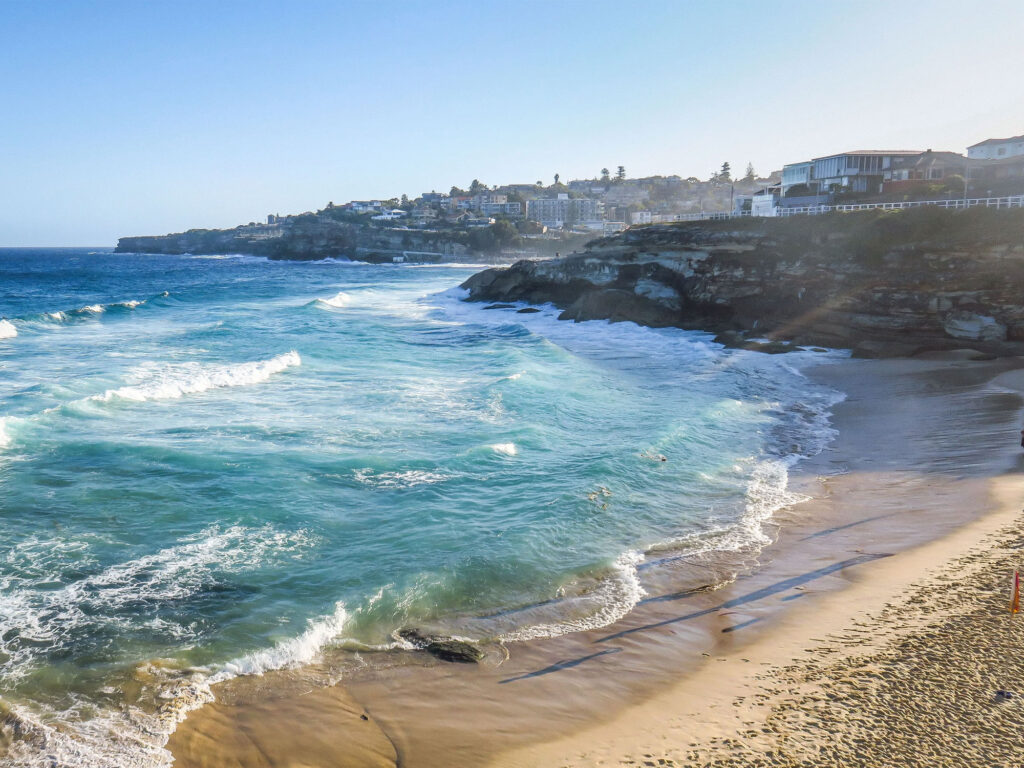
High above the crashing waves of the eastern coastline sits a workspace defined by its proximity to the elements. Here in Tamarama, salt spray coats the windowpanes of a light-filled art studio. The scent of turpentine and linseed oil mingles with the sharp ocean breeze, creating an atmosphere completely distinct from an inner-city gallery. This environment shapes the daily existence of a dedicated local painter who has spent more than a decade capturing the raw, unfiltered energy of the Tasman Sea. The space acts as both a sanctuary and an observation deck.
A studio without walls
For this creator, the narrow stretch of sand and the sheer sandstone cliffs serve as an ever-changing reference point. Morning routines involve walking the coastal path long before sunrise to observe the shifting light across the water. The dramatic swells at Mackenzies Point dictate the specific colour palette for the day. According to arts correspondent Sarah Wilson of The Sydney Morning Herald, the unique topography of Tamarama has long provided an outdoor laboratory for creatives seeking unmediated access to maritime storms and calm summer tides.
Inside the studio, thick layers of cerulean and ochre are applied to oversized canvases. The highly physical act of painting mimics the heavy, rhythmic, and unpredictable movement of the ocean below. A single medium-sized landscape might require 40 hours of focused attention to complete. These evocative pieces are highly sought after, with local collectors often acquiring them for upwards of 1500 dollars.
Fostering local connection
Artistic pursuit often requires intense solitude, yet community integration remains a crucial focus for this Tamarama resident. The painter regularly opens the studio doors to neighbours and aspiring creatives, offering intimate workshops that focus on charcoal sketching and outdoor watercolour techniques. These quiet weekend sessions allow residents to engage with their familiar surroundings through a completely different, highly observant, and mindful lens.
Participation in open-air exhibitions along the famous coastal walk further cements this local bond. As noted by cultural reviewers at Broadsheet, placing fine art directly in the public domain removes traditional gallery barriers. This approach allows early-morning swimmers and casual afternoon walkers to interact closely with the creative process. The artist views these spontaneous public interactions as essential conversations that feed the inspiration required for future works.
An enduring coastal dialogue
Living and working in Tamarama requires a deep respect for natural forces. The relentless wind, corrosive salt air, and shifting temperatures challenge the preservation of the physical canvases. Yet, the ultimate reward lies in the authentic translation of the rugged landscape into art. This ongoing visual record celebrates the powerful beauty of the eastern suburbs. It captures a fleeting moment of sea spray and renders it permanent, securing a quiet legacy of creativity on the edge of the continent.