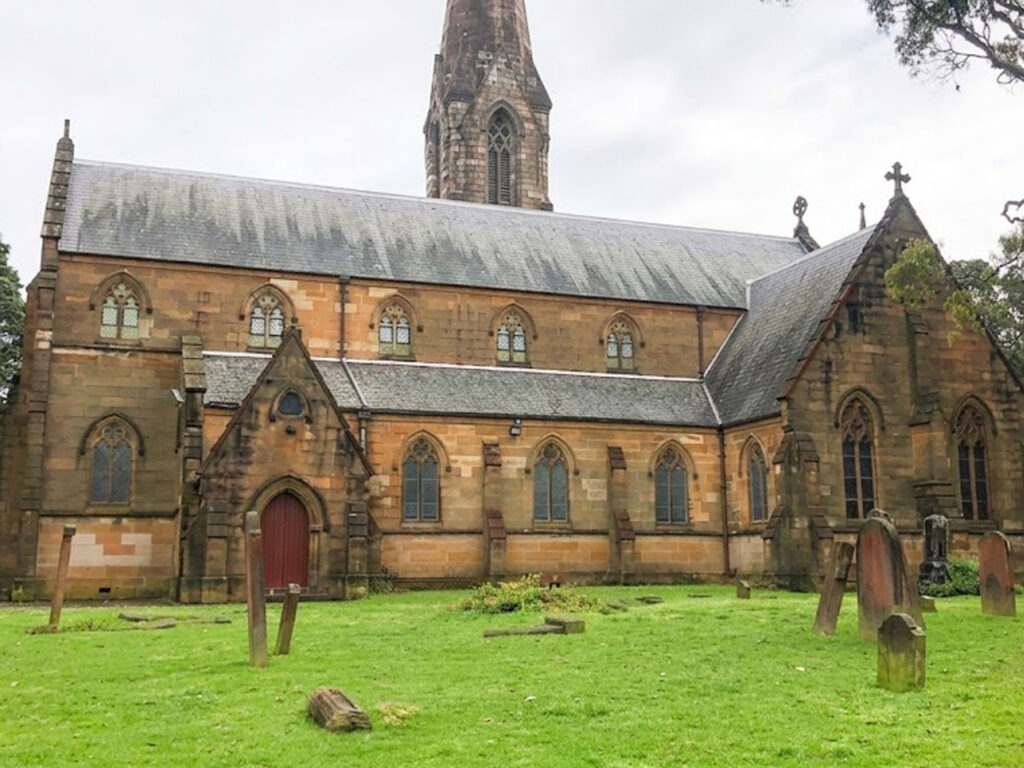
Beyond the busy thoroughfares of Newtown lies a quiet expanse of green and weathered sandstone. Camperdown Cemetery offers a profound departure from the fast pace of the inner city. Mature trees cast long shadows over the grounds, creating a natural canopy for quiet contemplation. The space serves as a public sanctuary where the boundary between urban living and historical preservation gently blurs. Visitors arrive seeking respite from modern life, finding comfort in the silence between the rows of heritage stonework.
The cemetery grounds once functioned as the principal burial site for early colonial Sydney. According to records maintained by the City of Sydney Archives, tens of thousands of individuals were laid to rest here over a brief period of fewer than two decades. Today, the surrounding Camperdown Memorial Rest Park embraces the remaining monuments. Locals regularly gather on the grassy lawns to read books, exercise, and enjoy a rare moment of absolute stillness. The transformation from a traditional graveyard to an active recreational reserve demonstrates a unique approach to urban landscape management.
Echoes of maritime history
A magnificent Moreton Bay fig tree dominates the main entrance near St Stephen the Martyr Church. This towering botanical feature was planted when the cemetery was first established, growing steadily alongside the historic Cemetery Lodge. Visitors walking beneath its massive branches can observe the shifting textures of the oldest sandstone memorials. As noted by Ian Smith of the publication Starts at 60, modern patrons often use the space for peace and quiet, sitting thoughtfully among the tombs in an unexpected harmony of the natural and unnatural worlds.
The worn headstones record dramatic tales of early colonial maritime disasters, unsolved crimes, and local lore. Several monuments honour victims of infamous shipwrecks off the treacherous coastal heads. Other markers belong to local figures who inspired famous literary characters or led significant political movements. Guided walks led by local experts regularly highlight these dramatic historical narratives. According to historian Elliot Lindsay of Murders Most Foul, the cemetery grounds reveal true stories of mystery and rebellion that deeply shocked early colonial society.
A community resting place
Community efforts continue to maintain the structural integrity of these fragile monuments. Local residents routinely organise preservation campaigns to repair weather-beaten inscriptions and broken stonework. This ongoing dedication ensures the burial ground remains an engaging public space rather than a forgotten architectural relic. The active integration of a historic resting place with a popular public park makes Camperdown Cemetery a fascinating piece of local infrastructure. People do not just walk past the stones; they exist comfortably alongside them.