A seasonal shift in the landscape
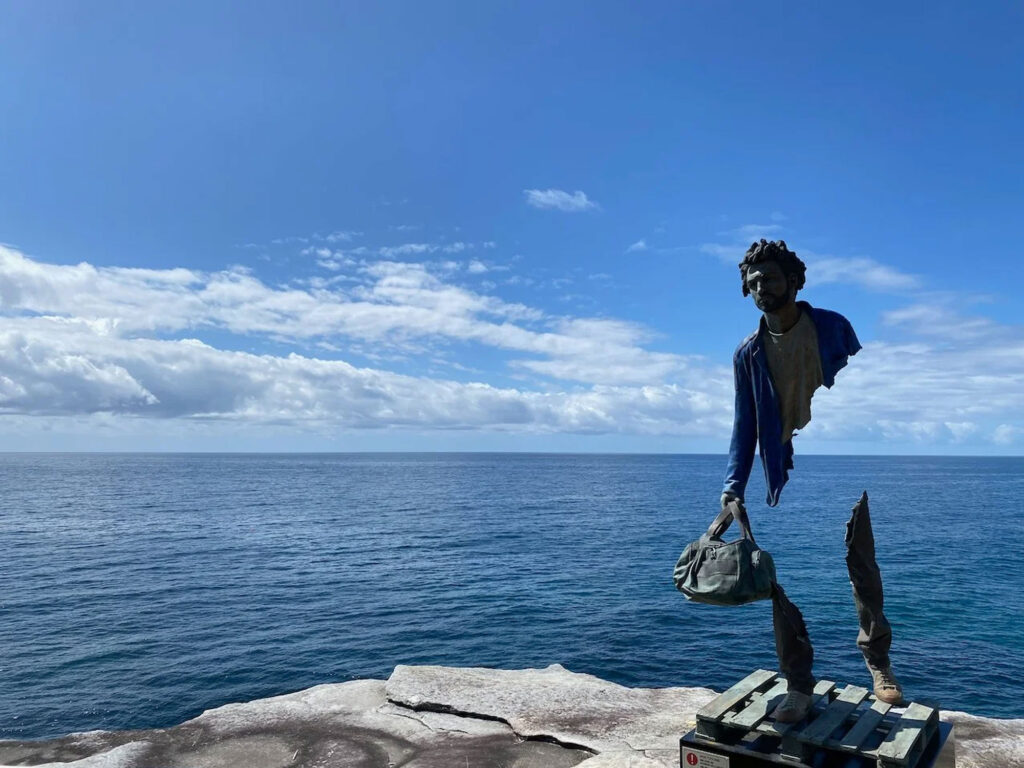
The coastal path linking the eastern beaches becomes a striking open-air gallery each spring. The annual Sculpture by the Sea exhibition alters the rugged cliffs and golden sands into a sprawling landscape of contemporary design. Walkers, joggers, and art enthusiasts traverse the two kilometres of trail, absorbing the dramatic collision of human creativity and raw natural beauty.
Instead of an uninterrupted horizon, residents find their ocean views punctuated by towering steel structures and delicate installations. According to arts reporter Stephanie Convery of The Guardian, the walk typically features more than 100 sculptures from international and domestic creators. The sheer volume of artistic expression forces passersby to slow their pace, encouraging them to observe their everyday coastal surroundings through a fresh, inquisitive lens.
Messages in the sand
Many featured installations challenge the viewer to think deeply about wellness and environmental harmony. Andrew Hankin, a Sydney creative, previously designed an enormous inflatable sculpture for the Tamarama sand to provoke thought about sun exposure. As reported by Guardian Australia, Hankin constructed this massive piece from heavy-duty fabric to deliver a hard-to-ignore message about safety, creating a surreal visual contrast against the crashing waves.
Sculptors frequently choose reflective metals and polished stones to interact with the coastal light, casting shifting shadows across the pedestrian paths as the afternoon progresses. Arts critic Andrew Frost, writing for The Guardian, notes that placing sculpture in sharp contrast to the beauty of the ocean often puts the art at a distinct disadvantage. However, the most successful creators manage to harmonise their rigid materials with the imposing natural elements.
Nature as the final curator
The environment itself acts as a formidable critic, frequently testing the physical limits of the gallery through wild weather and sudden storm surges. Exhibition founder David Handley told ABC Television that high tides and massive swells have historically dragged artworks across the sand. This unpredictability proves that the ocean ultimately dictates the rules of engagement for the event.
Despite these elemental risks, the coastal trail remains a defining aspect of the local lifestyle. The seamless blend of physical exercise, community engagement, and cultural appreciation draws immense crowds to the waterfront. Visitors often stop to photograph the stark contrast between industrial materials and the organic flora clinging to the cliffs.
The journey naturally culminates at Tamarama, where the grassy parkland serves as an ideal resting spot. Families, friends, and solo walkers gather on the grass to debate their favourite interpretations of the seaside sculptures. The event proves that artistic statements do not require traditional gallery walls to make a lasting impact.