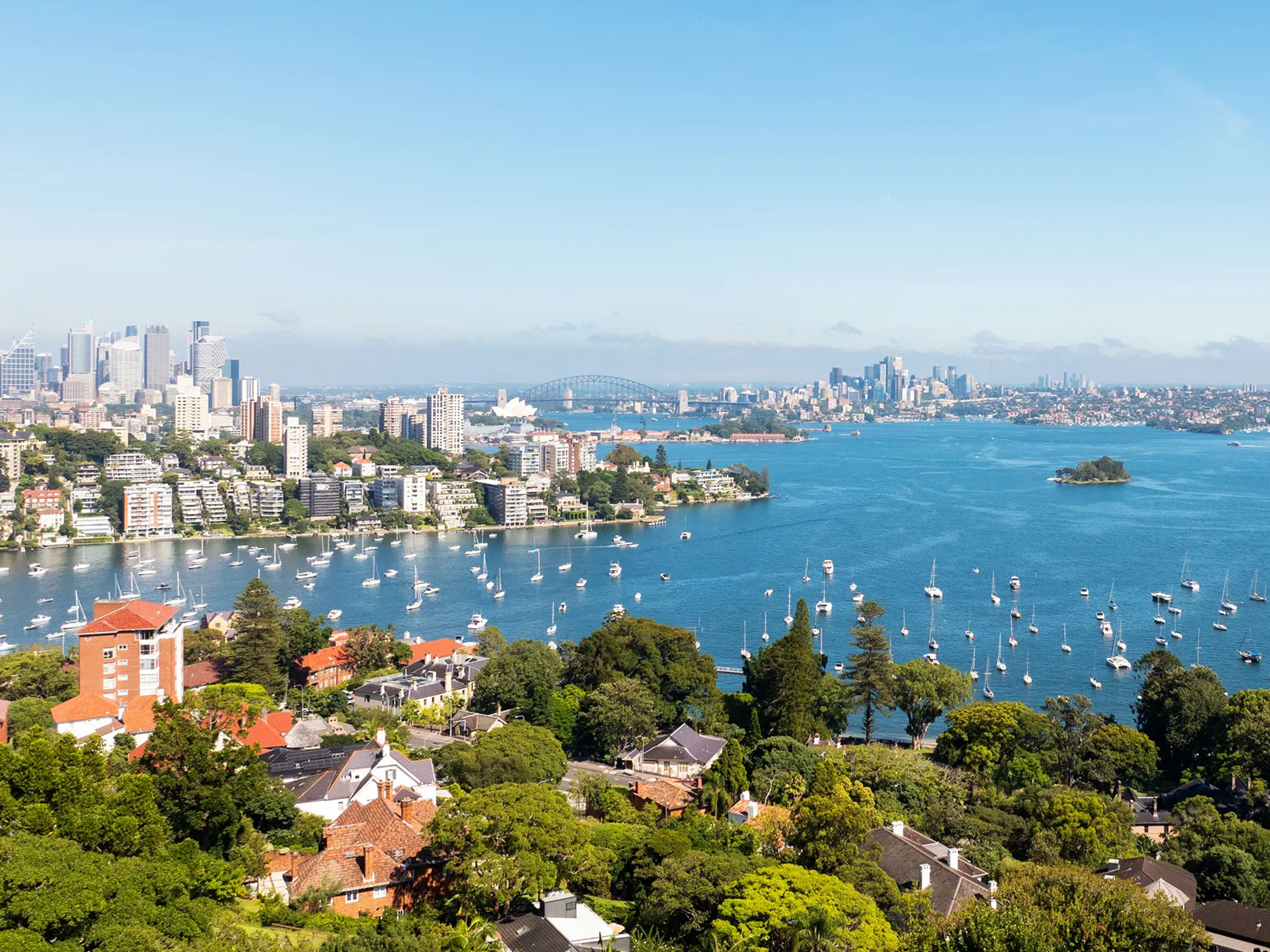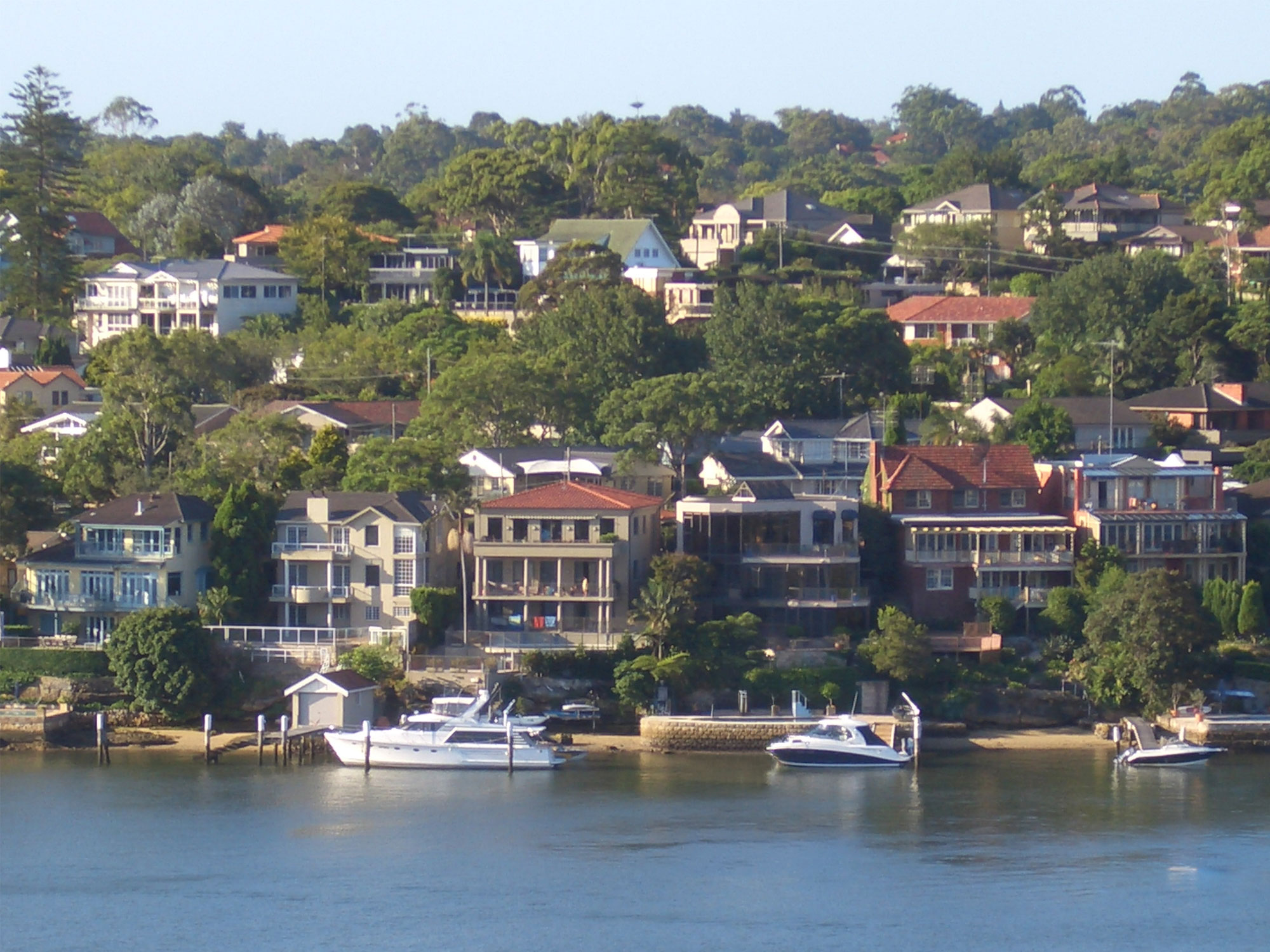
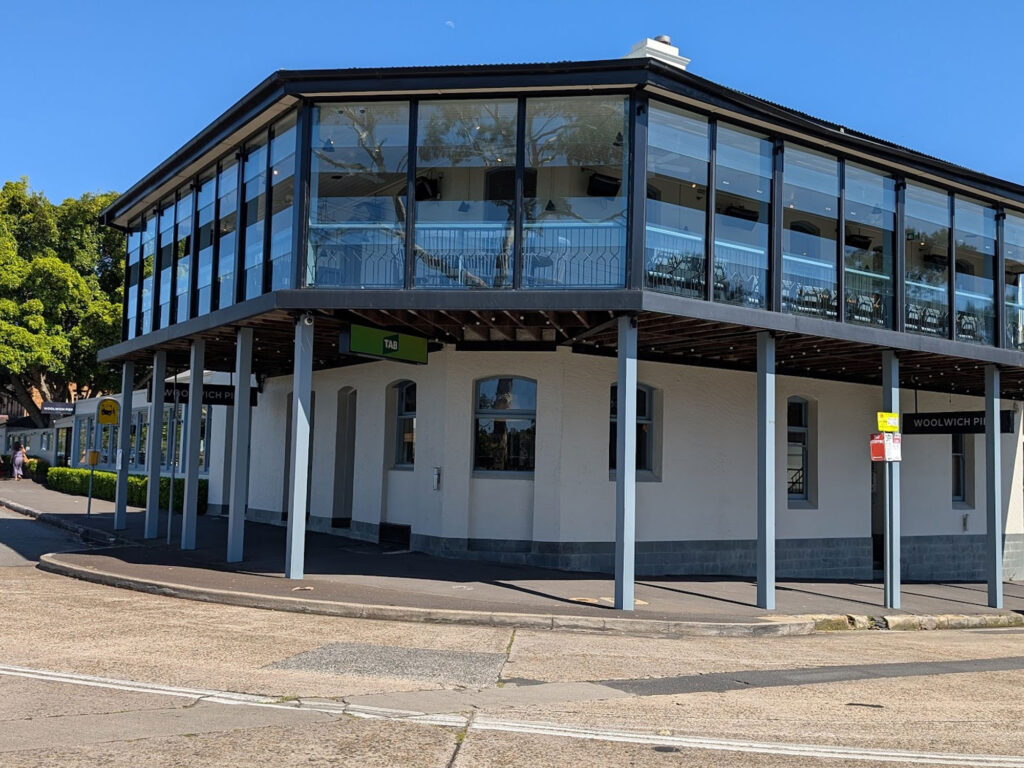
For generations, the lower North Shore of Sydney has offered a quiet refuge from the chaotic pace of the central business district. At the edge of the peninsula stands the Woolwich Pier Hotel, an imposing architectural landmark with origins tracing back to 1885. Originally functioning as a modest watering hole for maritime workers at the nearby dry dock, the establishment has steadily transformed into a premier culinary destination.
Balancing heritage and modern hospitality
Today, the venue balances its rich working-class heritage with a highly sophisticated dining approach, reflecting a broader movement across Australian hospitality. Anna Kucera of Time Out describes the grand establishment as resembling a country club without the golf or horses, noting that patrons come to expect an atmosphere perfectly suited for a relaxed yet elevated meal. This seamless blend of old-world charm and modern culinary technique draws both local residents and visiting food enthusiasts alike.
Preserving the past remains a critical element of the design strategy. In her global hospitality review book Pub Scene, author Jane Peyton points out that the Woolwich Pier Hotel stands firmly against the rising standardisation of modern bar chains, embracing idiosyncratic attributes and elegant styling to create a completely distinct aesthetic profile. The carefully curated interiors protect the historic framework while introducing plush seating, refined dining areas, and a visually striking outdoor pavilion.
Elevated culinary execution
The kitchen serves as the true focal point of the operation, delivering plates that far exceed standard pub expectations with freshly shucked oysters, premium cuts of wagyu beef, and seasonal vegetables sourced directly from regional farmers. Instead of a simple counter meal for 20 dollars, patrons choose from a sophisticated selection of modern Australian dishes. A meticulously crafted main course often costs upwards of 35 dollars, reflecting the premium nature of the ingredients and the precise culinary execution.
Local sailing community member Sanna Westling, writing a review for the Middle Harbour Yacht Club, praises the extensively refurbished venue for pairing a very classy menu with outstanding panoramic views over the harbour. Guests frequently gather on the upper balcony to watch boats glide past Cockatoo Island while enjoying their courses. The careful attention to aesthetic detail ensures that the visual experience matches the absolute quality of the food.
A permanent community fixture
This continuous evolution of a harbourside institution shows that heritage venues can adapt successfully without sacrificing their original character. The transition to a sophisticated dining room demonstrates a deep understanding of modern hospitality demands. By focusing heavily on high-quality ingredients, thoughtful interior design, and impeccable service, the location secures its place as a permanent fixture in a highly competitive market.